Archives
- 2026-07
- 2026-06
- 2026-05
- 2026-04
- 2026-03
- 2026-02
- 2026-01
- 2025-12
- 2025-11
- 2025-10
- 2025-09
- 2025-03
- 2025-02
- 2025-01
- 2024-12
- 2024-11
- 2024-10
- 2024-09
- 2024-08
- 2024-07
- 2024-06
- 2024-05
- 2024-04
- 2024-03
- 2024-02
- 2024-01
- 2023-12
- 2023-11
- 2023-10
- 2023-09
- 2023-08
- 2023-06
- 2023-05
- 2023-04
- 2023-03
- 2023-02
- 2023-01
- 2022-12
- 2022-11
- 2022-10
- 2022-09
- 2022-08
- 2022-07
- 2022-06
- 2022-05
- 2022-04
- 2022-03
- 2022-02
- 2022-01
- 2021-12
- 2021-11
- 2021-10
- 2021-09
- 2021-08
- 2021-07
- 2021-06
- 2021-05
- 2021-04
- 2021-03
- 2021-02
- 2021-01
- 2020-12
- 2020-11
- 2020-10
- 2020-09
- 2020-08
- 2020-07
- 2020-06
- 2020-05
- 2020-04
- 2020-03
- 2020-02
- 2020-01
- 2019-12
- 2019-11
- 2019-10
- 2019-09
- 2019-08
- 2019-07
- 2019-06
- 2019-05
- 2019-04
- 2018-07
-
The small GTPase Ran regulates karyopherin cargo interaction
2019-09-20
The small GTPase Ran regulates karyopherin–cargo interactions and the directionality of karyopherin-mediated transport. Like other Ras-family GTPases, Ran cycles between GTP- and GDP-bound states, and the two surface loops in Ran, referred to as the switch I and switch II loops, undergo significant
-
The present study is the
2019-09-20
The present study is the first time to investigate the effect of piperine on intestinal sterol transporters and enzymes in the small intestine. NPC1L1 is a sterol transporter responsible for taking up cholesterol from the lumen to enterocytes (Davis et al., 2004). ACAT2 is an enzyme, which esterifie
-
(-)-epicatechin River sand was graded in accordance with
2019-09-20
River sand was graded in accordance with ASTM C778 [47] (see Table 2). The graded sand had a water (-)-epicatechin of 1.00%, fineness modulus of 3.49 and specific gravity of 2350kg/m3. A polycarboxylate based superplasticizer called ZP with pH of 7±1 and specific gravity of 1.1±0.02 was also used
-
As DNA methylation plays a critical role in organismic
2019-09-19
As DNA methylation plays a critical role in organismic development and human diseases, the interest in DNA methyltransferases is constantly increasing. Extensive studies on the repertoires of dnmts genes have indicated increasing dnmts members in eukaryotes (Goll and Bestor, 2005; Ponger and Li, 200
-
The current study provides evidence for a previously unknown
2019-09-19
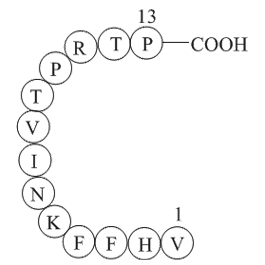
The current study provides evidence for a previously unknown role for DHODH as a growth/survival factor in KRAS mutant tumors. While many aspects of the link between DHODH inhibition and survival of KRAS mutant cells remain to be established, de novo pyrimidine biosynthesis appears to be a crucial p
-
br EphB as a therapeutic target in cancer Eph receptors
2019-09-19
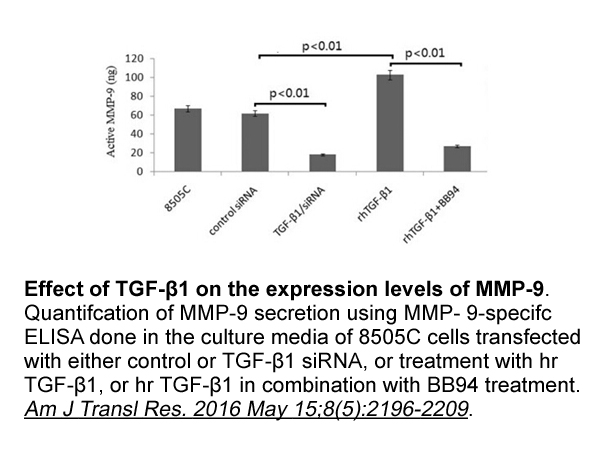
EphB4 as a therapeutic target in cancer Eph receptors and ephrins are promising new therapeutic targets in cancer. Various strategies have been employed to evaluate the interference of tumor-promoting effects or the enhancement of tumor suppressive effects. The inhibition of the Eph-ephrin system
-
The glycolytic pathway is a catabolic route that ends with
2019-09-19
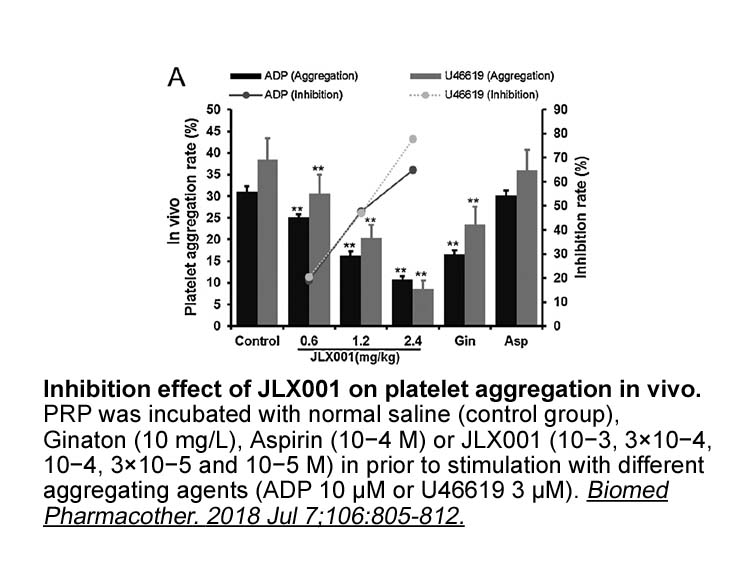
The glycolytic pathway is a catabolic route that ends with the synthesis of pyruvate (Pyr). In Arabidopsis embryos, the conversion of phosphoenolpyruvate (PEP) to Pyr, catalyzed by pyruvate kinase (PK), is mainly located in the plastids [10], [11]. The preceding reaction is catalyzed by enolase (ENO
-
The genes corresponding to TVAG TVAG TVAG TVAG and
2019-09-19

The genes corresponding to TVAG_263740, TVAG_487600, TVAG_282090, TVAG_170370, and TVAG_148010 seem to be the less expressed, and undetectable by proteomics approach. In comparison, in other T. vaginalis strains, and experimental conditions, they show very few or null EST\'s reports [4]. Concludi
-
br Methods br Results br Discussion Skin
2019-09-19
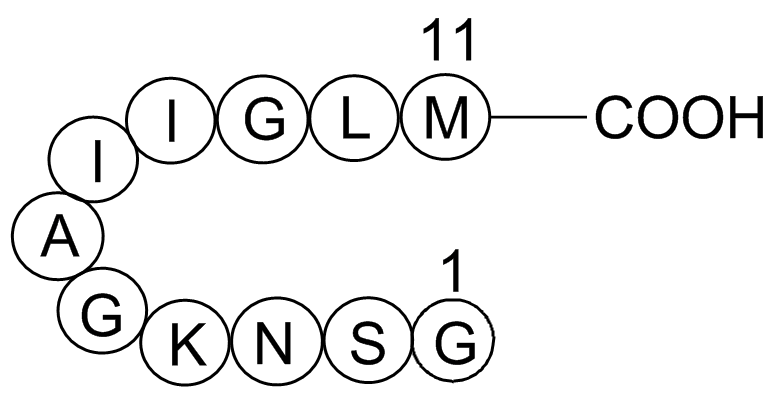
Methods Results Discussion Skin biopsy and microneurography have both been described as useful tools in the diagnosis of PAN, directly identifying peripheral sympathetic fibers without the mediation of specific glucokinase inhibitor organs (Donadio et al., 2005, Donadio et al., 2012a, Dona
-
Addressing whether impaired activation of
2019-09-19
Addressing whether impaired activation of D1 and D2 receptors regulates memory capacity is relevant for all human pathologies that lead to reduced activation of these Sodium valproate pathways, such as ageing [39], certain genetic polymorphisms [40] and neurodegenerative disorders. In this study, w
-
br Experimental Procedures br Acknowledgments br Introductio
2019-09-19
Experimental Procedures Acknowledgments Introduction Incessant consumption of fossil fuels brings on global energy crisis and serious environmental concerns. Hence, the researchers have paid considerable attention to alternative renewable bioenergy. Microalgae has been considered as potenti
-
Extracellular uridine can be transported across the cell
2019-09-19
Extracellular uridine can be transported across the cell membrane to enter the nucleotide salvage pathway. A colon cancer cell line supplemented with uridine was capable of growing normally in the presence of 1 μM brequinar (Peters et al., 1992). The supplemented uridine may be transported into the
-
br Conclusion Determining whether the multiple putative alga
2019-09-19
Conclusion Determining whether the multiple putative algal DGAT isoforms are functional DGATs via biochemical assays will be vital in our effort to genetically engineer algae to produce TAG on a large enough scale to make biodiesel production viable. As can be seen in O. tauri, it is possible tha
-
We further evaluated the functional relation between promote
2019-09-19
We further evaluated the functional relation between promoter regulation of the tumor suppressor genes and in fresh frozen, microdissected tumor tissue from 55 patient with clear cell renal carcinoma. In addition, normal-appearing tissue from the same patient taken distal of the tumor and later hi
-
It has been shown that DAPK
2019-09-19
It has been shown that DAPK induces cell death through an increase in DAPK catalytic activity and subsequent phosphorylation of target proteins (Shang et al., 2005, Yamamoto et al., 2002), but its multidomain structure enables also a close physical interaction with other proteins (Bialik and Kimchi,
16033 records 991/1069 page Previous Next First page 上5页 991992993994995 下5页 Last page